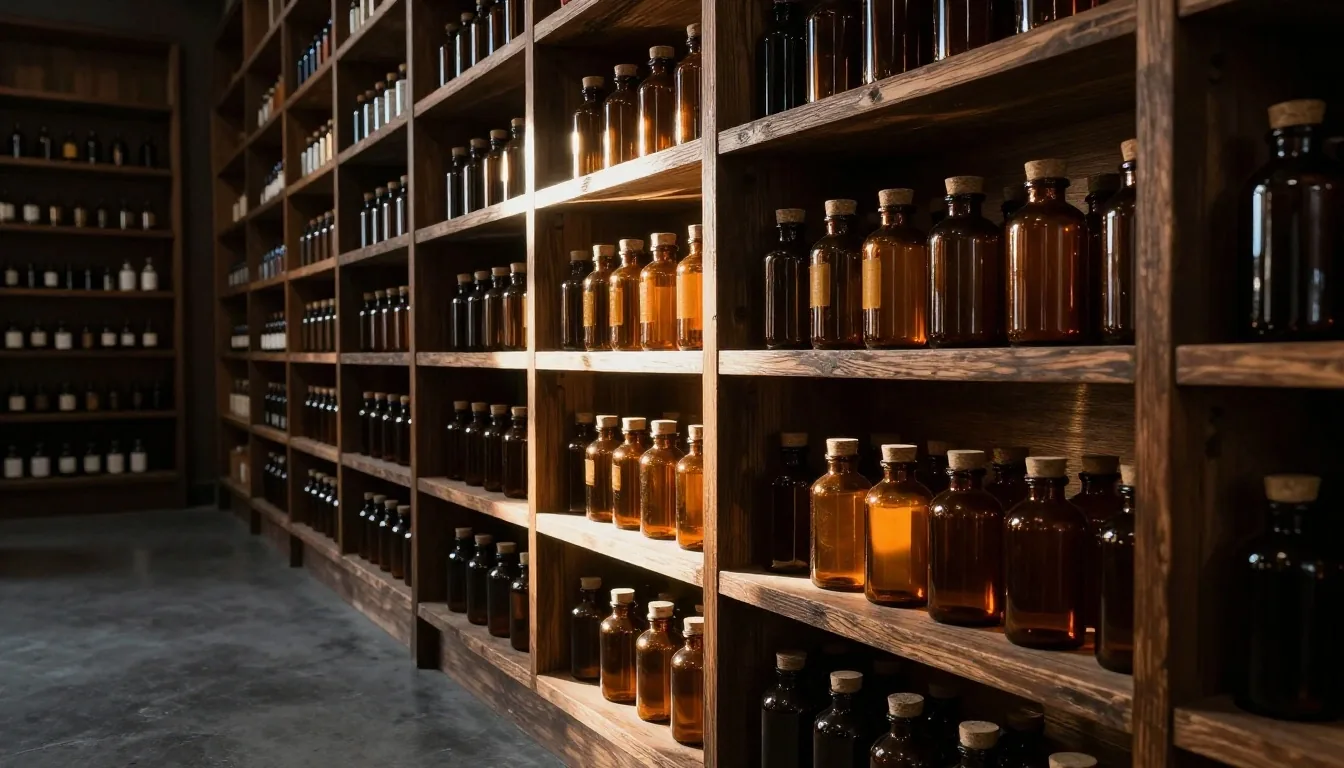
Dark apotek shelf of supplement tins under warm afternoon light
Energy & Endurance Guide

Natural Supplements for Daily Energy and Endurance

How natural capsules, herbal extracts, and specific vitamins are used to support daily energy and physical stamina — explained label-first, with realistic expectations and no performance-enhancement claims.

Understanding This Guide

A label-first look at energy and endurance supplements for men

Energy and endurance are common focuses for men exploring natural wellness products. This guide details how natural capsules, herbal ingredients, and specific vitamins are used to support daily energy levels and physical stamina.

We focus on the informational side: what these ingredients are, their traditional context, and how they appear on supplement labels. Our content does not promise rapid increases in energy or athletic transformation. Instead, we provide a clear overview of popular natural capsules for strength and vitality, helping you understand what you are looking at when you read a product panel or compare two different formulas.

The goal is practical literacy. When you pick up a tin of capsules in a Jakarta apotek or browse an online product page, the label tells you a story — what the formula contains, how concentrated each extract is, and how the manufacturer expects you to use it. This page helps you read that story with confidence.

Supplement Ledger

Common ingredients on the energy shelf

Each row below represents an ingredient you will frequently find in men's vitamin supplements focused on energy and endurance. The ring beside each entry is a quiet visual cue — a habit mark, not a progress claim.

Root Extract

Panax Ginseng

One of the most widely recognized herbs in the men's supplement category, with a long history of use in traditional practices for supporting stamina. Labels often specify a standardized ginsenoside percentage — the compound being measured for concentration.

Fungus Extract

Cordyceps

A type of fungus traditionally used in Chinese wellness practices and frequently featured in endurance formulas. Labels may distinguish between wild-harvested and cultivated (CS-4) strains, which affects how the ingredient is described and priced.

Andean Root

Maca Root

Native to the high Andes and commonly found in vitality formulas. Some labels specify gelatinized maca, meaning the starches have been broken down for easier digestion. The color variant — black, red, or yellow — may also be noted.

Adaptogen

Ashwagandha

A widely used adaptogen in men's wellness products, traditionally described in wellness contexts as a substance that helps the body manage occasional stress. Labels typically specify standardization to withanolides — the active compound family being measured.

Adaptogen

Rhodiola Rosea

An adaptogenic root commonly included in energy formulas. A well-labeled product will state a standardization percentage for rosavins — for example, "Rhodiola extract standardized to 3% rosavins" — telling you the specific compound being measured and its concentration.

Vitamin Group

B-Complex Vitamins

B vitamins — including B6, B12, riboflavin, and niacin — are involved in energy metabolism, the process by which your body converts food into usable energy. They appear in most energy and endurance supplements as a foundational base, often alongside herbal extracts.

Southeast Asian Root

Tongkat Ali

A root native to Southeast Asia, frequently combined with a B-complex in formulas marketed for strength and vitality. Labels may reference a standardized extract ratio (such as 200:1), which describes the concentration of raw material processed into the final extract.

Adaptogens in Men's Wellness

What "adaptogen" means on a label

Adaptogens are a specific category of herbs commonly included in energy and endurance supplements. They are traditionally described in wellness contexts as substances that help the body manage occasional stress, though we avoid medical framing of these effects.

Popular adaptogens in men's supplements include ashwagandha, rhodiola, and holy basil. These ingredients appear in various formats — capsules, powders, and loose extracts — and each has a traditional origin story that predates modern supplement marketing by centuries.

The key distinction to understand is how adaptogens differ from stimulant-based energy products like caffeine. A cup of coffee delivers a short, fast alertness spike. An adaptogen, by contrast, is taken daily as part of a consistent routine and is not associated with an immediate jolt. Labels that pair the two categories usually explain this on the panel — but knowing the difference before you read the label helps you choose a product that fits your routine, especially if you prefer to avoid stimulants in the evening.

Dried adaptogen root specimens on dark zinc surface

Root specimens shown as found in their dried, pre-extraction form — the raw material before standardization.

Stimulants vs Other Energy Supplements

Not all energy supplements work the same way

Understanding the difference is important when reading labels. Some products rely on stimulants for a short-term sense of alertness. Others use non-stimulant ingredients involved in longer-term metabolic processes. Here is how the two compare.

Category A

Stimulant-Based

  • Primary ingredient is caffeine, usually listed with an amount per serving on the label.
  • Produces a short-term sense of alertness that peaks within an hour of consumption.
  • Often paired with B vitamins and herbal extracts in a single formula for a layered effect.
  • Worth avoiding in the evening if you are sensitive to stimulants or have trouble winding down.
  • Labels will indicate total caffeine content, including amounts from sources like green tea extract or guarana.
Category B

Non-Stimulant

  • Relies on adaptogens, B vitamins, and minerals involved in longer-term metabolic processes.
  • Not associated with an immediate jolt or a fast peak in alertness.
  • Designed to be taken daily as part of a consistent routine rather than on demand.
  • Suitable for evening use when you want to avoid interfering with rest.
  • Labels typically list standardized extract percentages rather than a caffeine milligram count.
Timing and Routine

How these products fit into a day

This is practical context, not a schedule you must follow. The directions on a product label are the primary guide for use. What follows explains the reasoning behind common label directions.

Morning

Align with your waking routine

Many energy supplements are designed to be taken in the morning to align with daily routines. Taking a capsule with breakfast — especially one containing B vitamins — pairs with your body's natural waking cycle. Food aids absorption of fat-soluble ingredients.

Midday

Space doses throughout the day

Some labels suggest spacing servings out rather than taking them all at once. A midday dose timed around physical activity — a training session, a long walk, or a demanding work block — is common for endurance-focused formulas. Check the serving size first.

Evening

Mind your stimulant intake

If a product contains caffeine, the label usually recommends avoiding it late in the day. Non-stimulant adaptogens, by contrast, are sometimes taken in the evening. Read the panel to confirm which type you are holding before deciding when to take it.

Reading Labels on Energy Supplements

What to look for on the panel

Labels on energy and endurance supplements contain specific details that help you understand the product. Here is what we look for, in order of importance.

Serving size

Tells you how many capsules constitute one dose. Some products list one capsule per serving; others list two or three. This number anchors everything else on the panel.

Standardized extracts

Indicates the concentration of a specific compound. A label that states "Rhodiola extract standardized to 3% rosavins" tells you exactly which compound is being measured and at what strength — a far more useful detail than a raw milligram weight alone.

Additional ingredients

Fillers, capsule materials (like gelatin or a plant-based alternative), and binding agents appear below the active ingredients. Reviewing this section gives you a complete picture of what the product contains — useful if you have dietary restrictions or preferences.

Caffeine disclosure

If the product contains caffeine, the label should list the amount per serving. This includes caffeine from sources like green tea extract or guarana, not just pure caffeine anhydrous.

Matte supplement tin with stamped label on dark zinc shelf
Natural Capsules for Strength and Vitality

What this phrase means on a label

The phrase "strength and vitality" is commonly used in the men's supplement category, and it typically refers to a formula that combines herbal extracts with foundational minerals like zinc and magnesium.

These products are designed to be taken daily as part of a consistent routine. A common combination might pair tongkat ali with a B-complex, or ginseng with zinc and a small amount of magnesium. Each ingredient plays a role in the formula: the herbal extract carries the traditional-use context, while the minerals and vitamins provide a nutritional base.

Understanding what each ingredient is doing in the mix helps you evaluate whether a product's profile matches its labeling and your own informational needs. If a formula markets itself for vitality but the panel shows only caffeine and fillers, the label and the marketing are telling two different stories.

Combining with a Healthy Lifestyle

A capsule sits alongside other daily habits

Natural energy supplements are most commonly discussed in the context of a broader lifestyle. A capsule containing ginseng or B vitamins is not a replacement for adequate sleep, consistent food intake, or regular movement.

We frame the use of these products within the reality of a busy schedule. A demanding work week, irregular meals, and limited rest all affect how you feel during the day — and a supplement is one factor among many, not a standalone solution.

Our healthy lifestyle tips section covers these foundations in more detail, connecting the information on supplement labels to the practical context of sleep, hydration, and nutrition that supports daily energy levels.

Common Questions

Reading energy supplement labels, answered

Question

What does "standardized extract" mean on a supplement label?

A standardized extract is one where the manufacturer guarantees a specific concentration of a named compound. For example, "Rhodiola extract standardized to 3% rosavins" means each serving contains a measured amount of rosavins — the compound associated with that plant. This is more informative than a raw milligram weight, because it tells you the actual strength of the active component.

Question

Are energy supplements the same as caffeine pills?

No. Some energy supplements rely on caffeine to provide a short-term sense of alertness, but many use non-stimulant ingredients like adaptogens or B vitamins instead. These are involved in longer-term metabolic processes and are not designed to produce an immediate jolt. The label will indicate if a product contains caffeine and in what amount.

Question

What is the difference between adaptogens and stimulants?

Stimulants like caffeine produce a fast, short-term alertness spike. Adaptogens — such as ashwagandha, rhodiola, and holy basil — are taken daily as part of a consistent routine and are traditionally described in wellness contexts as substances that help the body manage occasional stress. They are not associated with an immediate peak in energy. Knowing this distinction helps you choose a product aligned with your routine.

Question

When should I take energy and endurance supplements?

Many products are designed to be taken in the morning to align with daily routines. Others may be timed around physical activity. Taking a capsule with food can aid absorption of certain ingredients. If the product contains caffeine, the label usually recommends avoiding it in the evening. Always follow the directions on the product label — that is the primary guide for use.

Question

Can a supplement replace sleep and good food?

No. A capsule containing ginseng or B vitamins is not a replacement for adequate sleep, consistent food intake, or regular movement. Natural energy supplements are most commonly discussed as one factor in a broader lifestyle — they sit alongside daily habits rather than replacing them. Sleep, hydration, and nutrition are the foundations that support daily energy levels.

Question

What are fillers and why are they on the label?

Fillers, capsule materials, and binding agents appear below the active ingredients on a supplement panel. They are the non-active components that hold the formula together — things like rice flour, cellulose, or the gelatin or plant-based material used for the capsule shell itself. Reviewing this section gives you a complete picture of what the product contains, which is useful if you have dietary restrictions or preferences.

Continue Reading

More guides for understanding men's wellness products

If this page helped you read an energy supplement label more clearly, the related guides below cover the broader context — the vitamins and minerals that form the base of most formulas, the popular products that appear on Indonesian shelves, and the lifestyle habits that sit alongside any daily routine.

Contact Pria Sehat

Have a question about a product label or an ingredient you saw on this page? We respond to questions about natural supplements for men and the information we publish on this site.

Jl. MH Thamrin No. 12
Menteng, Jakarta Pusat
DKI Jakarta 10310

+62 21 3199 2027

[email protected]

Monday to Friday
09:00 — 18:00 WIB

This page is informational only. Products described here are dietary supplements, not drugs, and are not intended to diagnose, cure, treat, or prevent any condition. Natural capsules for strength and vitality are intended as dietary supplements to be used alongside a normal diet and rest routine. If you have questions about whether a supplement is appropriate for your individual circumstances, consult a qualified professional. Product labels and their directions for use are the primary guide for any supplement you purchase.